

Introduction from Stacey Bradshaw, Lymphoedema Occupational Therapist and Educator
Many Australians live with leg swelling, but we don’t really know how common it is because people often don’t seek help. Swelling can be gradual or dismissed as “just fluid”, but it isn’t a normal part of ageing and shouldn’t be ignored. Persistent swelling in the legs can increase the risk of skin problems, infection (such as cellulitis), slow-healing wounds, and reduced mobility. The good news is that early identification and appropriate treatment can significantly reduce these risks.
The challenge is in making sure that people who have leg swelling are identified and referred to the right services who are trained to help. The first step is awareness. That’s why Wounds Australia’s Beat the Swell campaign matters. Recognising early signs and seeking advice promptly can prevent complications. If you or someone you care about has ongoing swelling, tighter shoes or socks, skin changes, or repeated infections, speak with a trained health professional. Swelling is common but treatable. Early action makes a big difference.

What are the warning signs of lower limb swelling?
Spot the early warning signs:
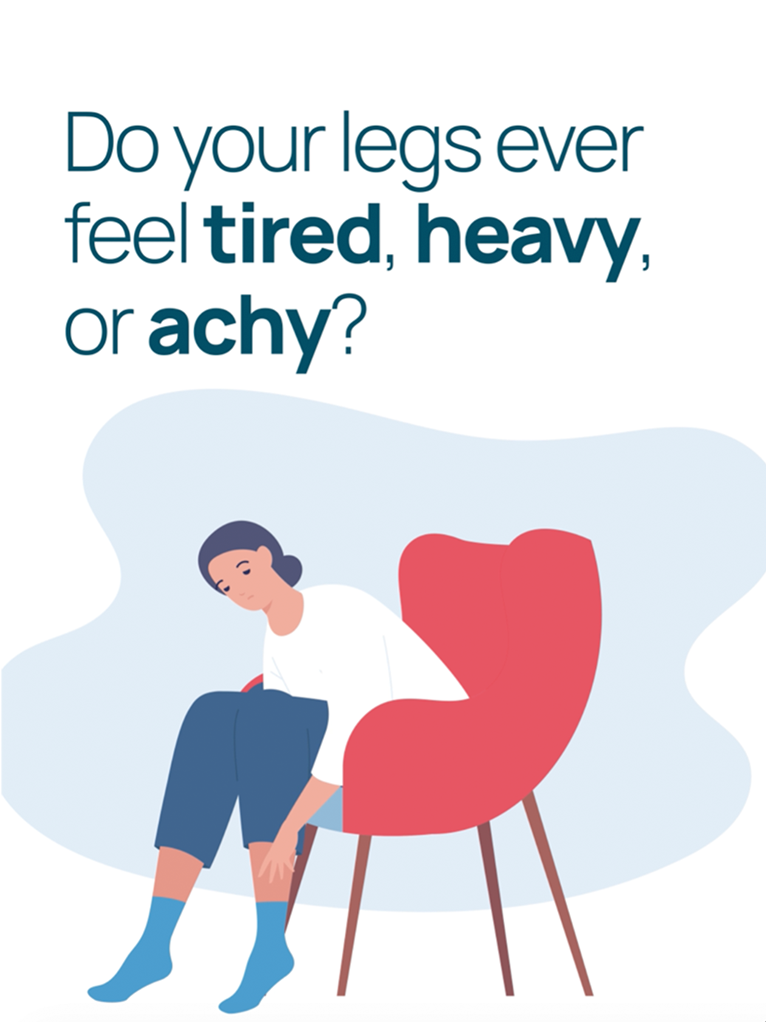
- Tired, aching, or heavy legs
- A sensation of increasing tightness of your socks and shoes, particularly towards the end of the day
- Your socks or shoes leaving a mark or indent
- Skin on your legs, ankles or feet that looks shiny or feels tight
- Ankle or foot swelling
- Swelling that doesn’t improve with rest
When swelling is a red flag:
- Swelling that lasts more than a few weeks should be assessed by a health professional
- Swelling that affects one leg more than the other may indicate venous or lymphatic disease
- Redness, pain, leaking fluid, or sudden changes may signal infection or cellulitis, which requires prompt care
How to Beat the Swell?
Persistent swelling in the legs can increase the risk of skin problems, infection (such as cellulitis), slow-healing wounds, and reduced mobility. Over time, it can affect confidence, comfort, and overall quality of life. The good news is that early identification and appropriate treatment can significantly reduce these risks.

They may perform a lower limb assessment and, depending on their findings, recommend compression socks or stockings.

Gentle walking and ankle exercises help circulation.
Keep it clean and moisturise twice daily if you can.
When to see a professional?
Persistent swelling may signal an underlying health issue and should be assessed by a healthcare professional (Healthdirect Australia). When swelling persists, it can place strain on the skin and underlying tissues. This may reduce circulation, increase skin vulnerability, and raise the risk of wound development (Wounds Australia).
Addressing swelling early can reduce the risk of chronic wounds, shorten healing time, and improve overall quality of life (Australian Commission on Safety and Quality in Health Care).
Speak to your GP, nurse or accredited lymphoedema practitioner if you or a loved one experiences swelling.
Key takeaways
- Chronic swelling is called lymphoedema
- Limb swelling is common, particularly in older adults, but it should not be dismissed as a normal part of ageing
- Warning signs of lower limb swelling are tired, aching, or heavy legs, or swelling that doesn’t improve with rest
- You can Beat the swell by speaking to a healthcare professional, stay active and by looking after your skin
- Speak to your GP, nurse or accredited lymphoedema practitioner if you or a loved one experiences swelling
Beat the Swell is an annual day of action every February designed to spotlight the problem of lower limb swelling. It’s an initiative of Wounds Australia, the national peak body for chronic wounds, and partners. Find more Beat the Swell information at woundaware.org.
Recognise the Swell
In our latest instalearn, find out how to recognise the swell to beat the swell.
Hear from Stacey & the team at Beat the Swell
Lymphoedema Therapist
What can you do to beat the swell?
Clinical Nurse Specialist
Prof. Fiona Wood AO
Plastic Surgeon and Burns Specialist
If there’s one takeaway message for Austalians, what is it?
Who is Wounds Australia?
Wounds Australia is the national peak body for the prevention, treatment, management, and healing of wounds. We work to ensure patients receive the best quality care possible and, even more importantly, to minimise unnecessary suffering and expense by preventing chronic wounds from occurring in the first place.
Coming soon: tips, tools & personal stories
Over the next few issues, you’ll get:
- Wound care dos and don’ts
- Where to seek help
- Personal stories that hit home
- Advice for carers and families
- Free downloads and shareables



Follow us on social media!
Stay up to date with Wound Aware across Instagram, Facebook and TikTok.
Don’t miss out – sign up here to never miss an issue! Sign up
References:
Australian Commission on Safety and Quality in Health Care (2019) Preventing and managing pressure injuries. ACSQHC.
Australian Commission on Safety and Quality in Health Care (n.d.) Preventing and managing pressure injuries and chronic wounds. ACSQHC. Available at: https://www.safetyandquality.gov.au
Australasian Lymphology Association (2020) Position statement on the management of lymphoedema. Australasian Lymphology Association.
Australasian Lymphology Association (n.d.) Lymphoedema management and early intervention guidance. Australasian Lymphology Association. Available at: https://www.lymphoedema.org.au
Healthdirect Australia (2023) Oedema (swelling). Healthdirect Australia. Available at: https://www.healthdirect.gov.au/oedema
Healthdirect Australia (2025) Oedema (fluid retention). Healthdirect Australia. Available at: https://www.healthdirect.gov.au/oedema
Royal Australian College of General Practitioners (2022) Guidelines for preventive activities in general practice (Red Book). RACGP.
Wounds Australia (2016) Standards for wound prevention and management. Cambridge Publishing.
Wounds Australia (n.d.) Lower limb oedema and wound management resources. Wounds Australia. Available at: https://www.woundsaustralia.com.au
You’re leaving our site
The link you clicked will take you to an external website.
Alternatively you can close this popup and continue on our site.